
The first fully homemade Tom Pynchon’s Liquor Cabinet signature artisanal homebrand alcohol featured here was beer, way back in 2016. It was six years before the next product of my fermentation cellar emerged, with 2022’s homemade wine. Now, in a portent of the fearsome acceleration and diversification of my amateur fermentation, we have two new personally Drunk Pynchon crafted beverages in a row. Last month saw us crack a (really not too bad) bottle of homemade sake. And here before us now is a homemade cider.
Mason & Dixon thrice features cider: twice as beverage, once as metaphor. First up is at the tail of Chapter 33. Mason and Dixon have just discharged their surveying crew for the winter, pulling up stumps at Brandywine:
“To a good year’s work.” Dixon raising a pewter Can of new Cider. “And pray for another.”
“To Repetition and Routine, from here to the End of it,” Mason gesturing reluctantly with his Claret-Glass… even so, more festive than he’s been for a while.
Mason & Dixon, p. 340.
Next up is a few years on, at the beginning of surveying the West Line. They’ve run their undeviating line right into the house of a Mr and, more to the point, Mrs Price:
“Would you Gentlemen mind coming in the House and showing me just where you Line does Run?” Mason and Dixon, already feeling awkward about it, oblige, Dixon up on the Roof with a long Plumb-line, Mason a-squint at the Snout of the Instrument. Mrs Price meantime fills her Table with plates of sour-cherry fritters, Neat’s-Tongue Pies, a gigantick Indian Pudding, pitchers a-slosh with home-made Cider,—
Mason & Dixon, p. 446.
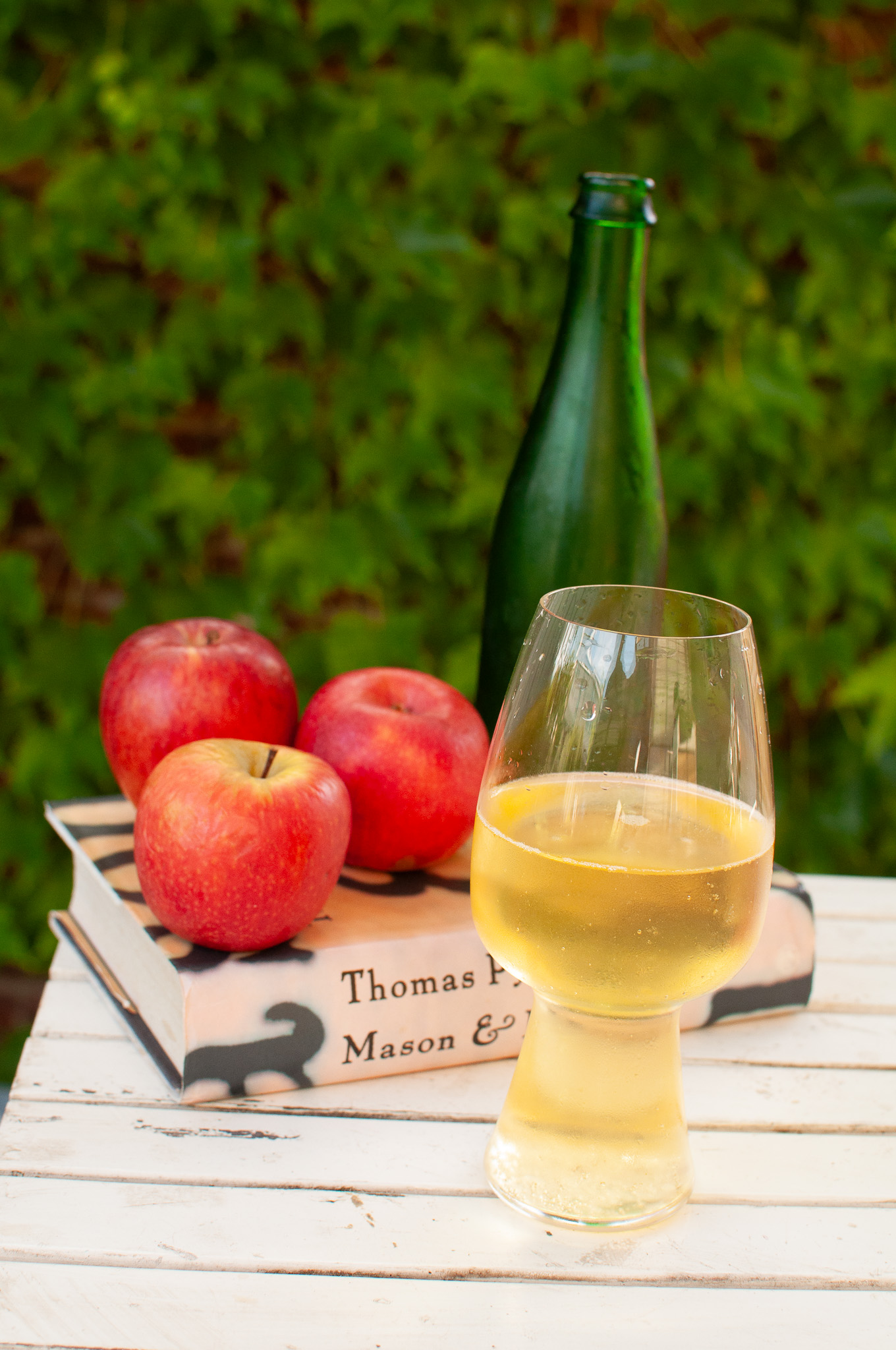
Another real feast for Tom Pynchon’s Larder there. Mrs Price goes on to lay the surveyors’ explosives along the designated line through her house, at which point Mr Price arrives home to witness the cider-drunk Line Drawing gunpowdered revelry. Happily for everyone, he’s pretty chill about it.
The final cider, no longer physical drink but ascended now to the state of metaphor, comes in Chapter 53’s tale of a widow taken from her homestead by native Americans and transported north:
Like a Dream just before the animals wake up, the German farms pass’d flowing by, the Towns, Equinox, New Cana, Burger’s Forge, until, one morning, loud as the Sea, stirr’d to Apple-Cider turbulence from the Rains,— Susquehanna.
Mason & Dixon, p. 512.
They cross the turbid river and journey further north.
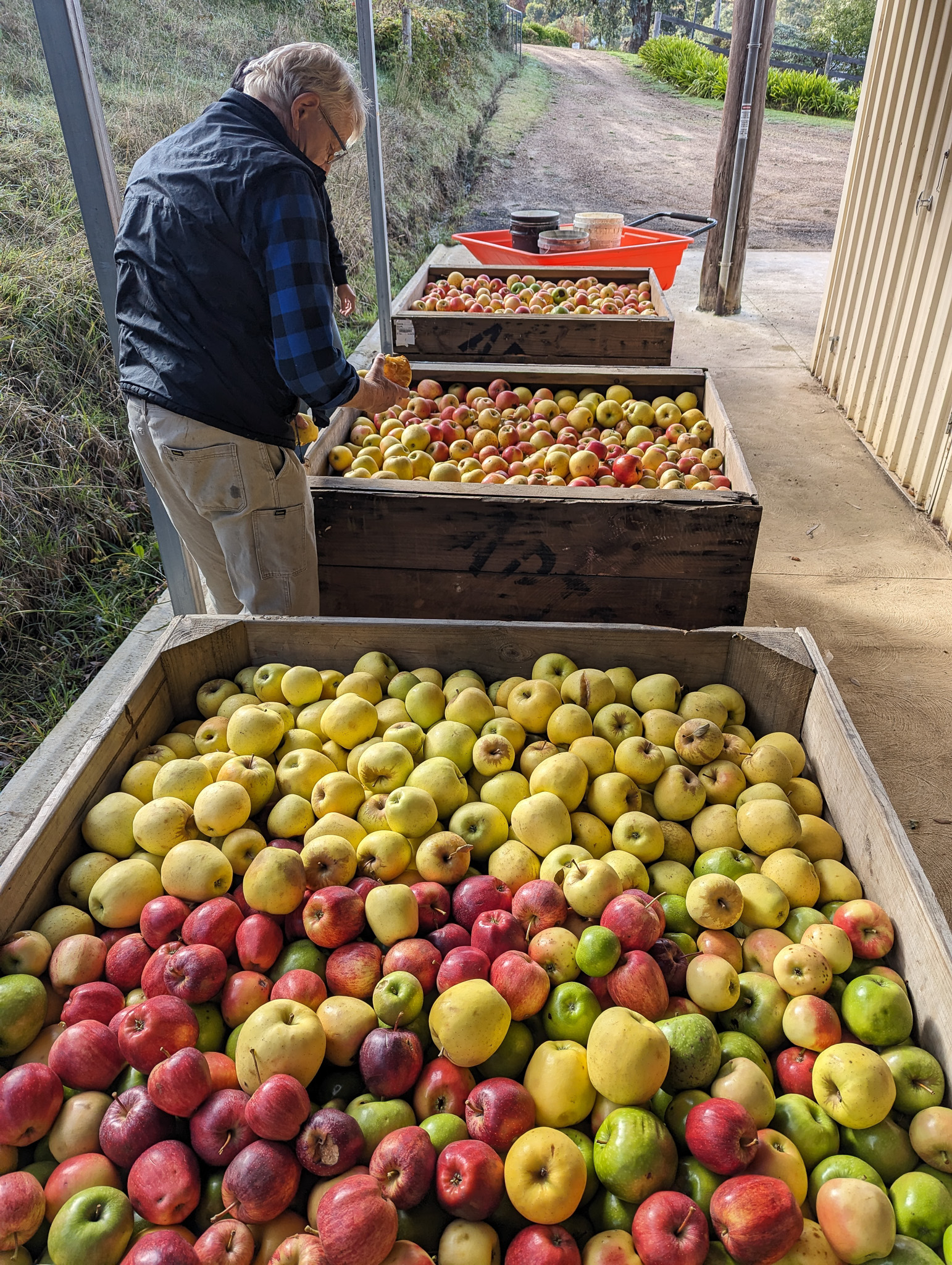
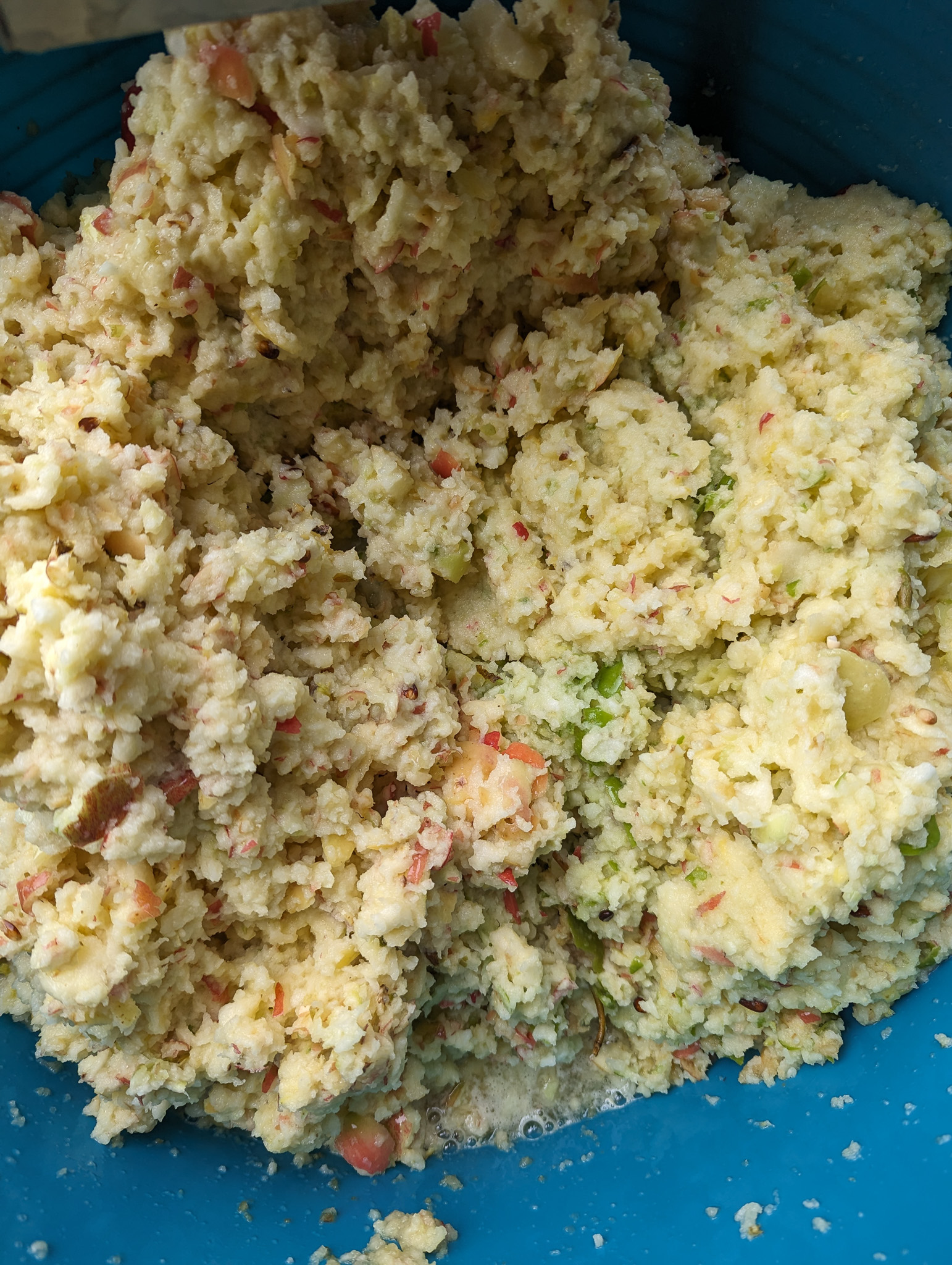
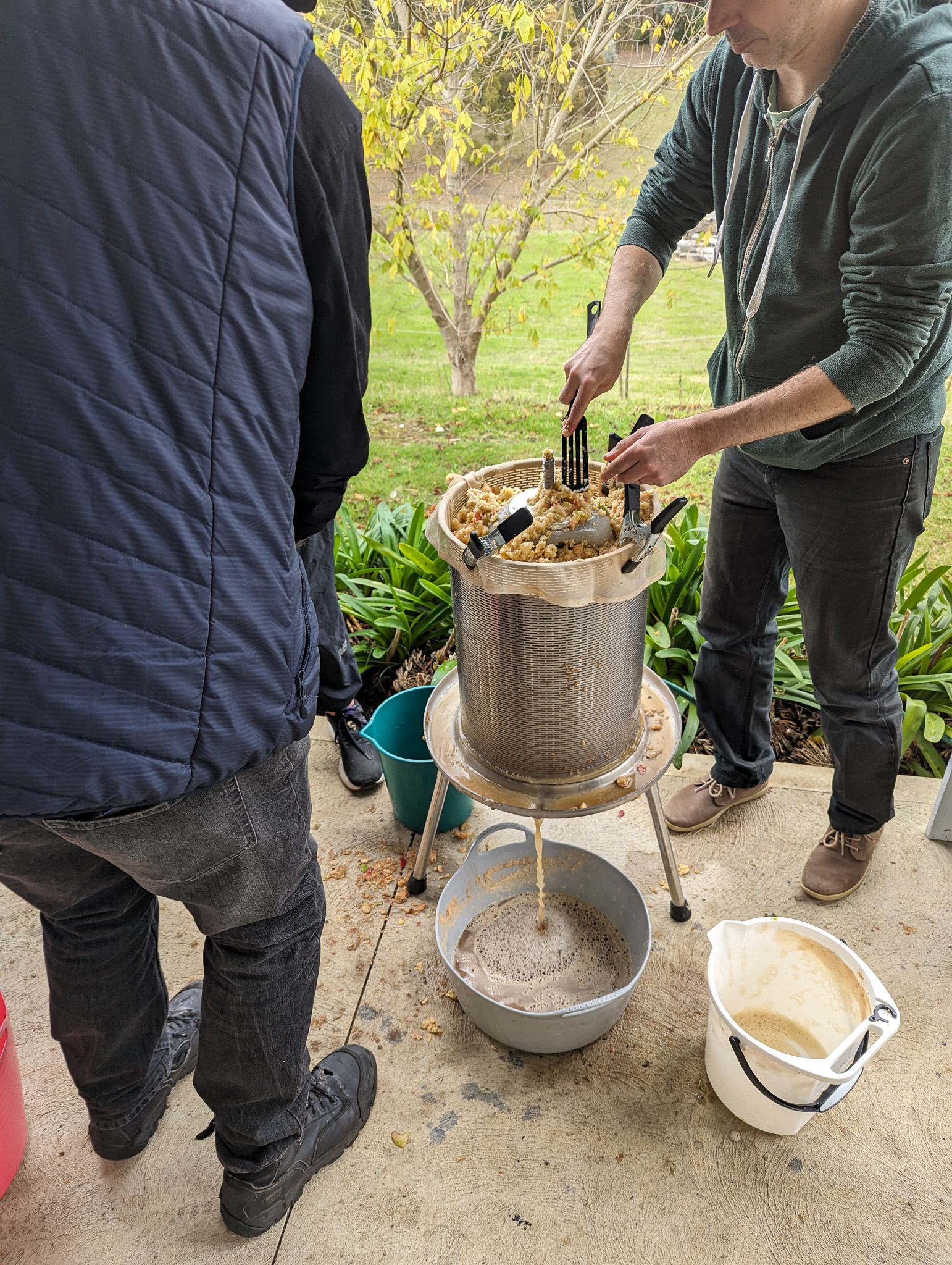
My cider’s journey began in April last year with one and a bit tons of assorted apples. These were not all for me; my homebrew club has been making cider together once a year for the past few years. We crushed the apples, then pressed the juice from the pulp and took home 20 L each.
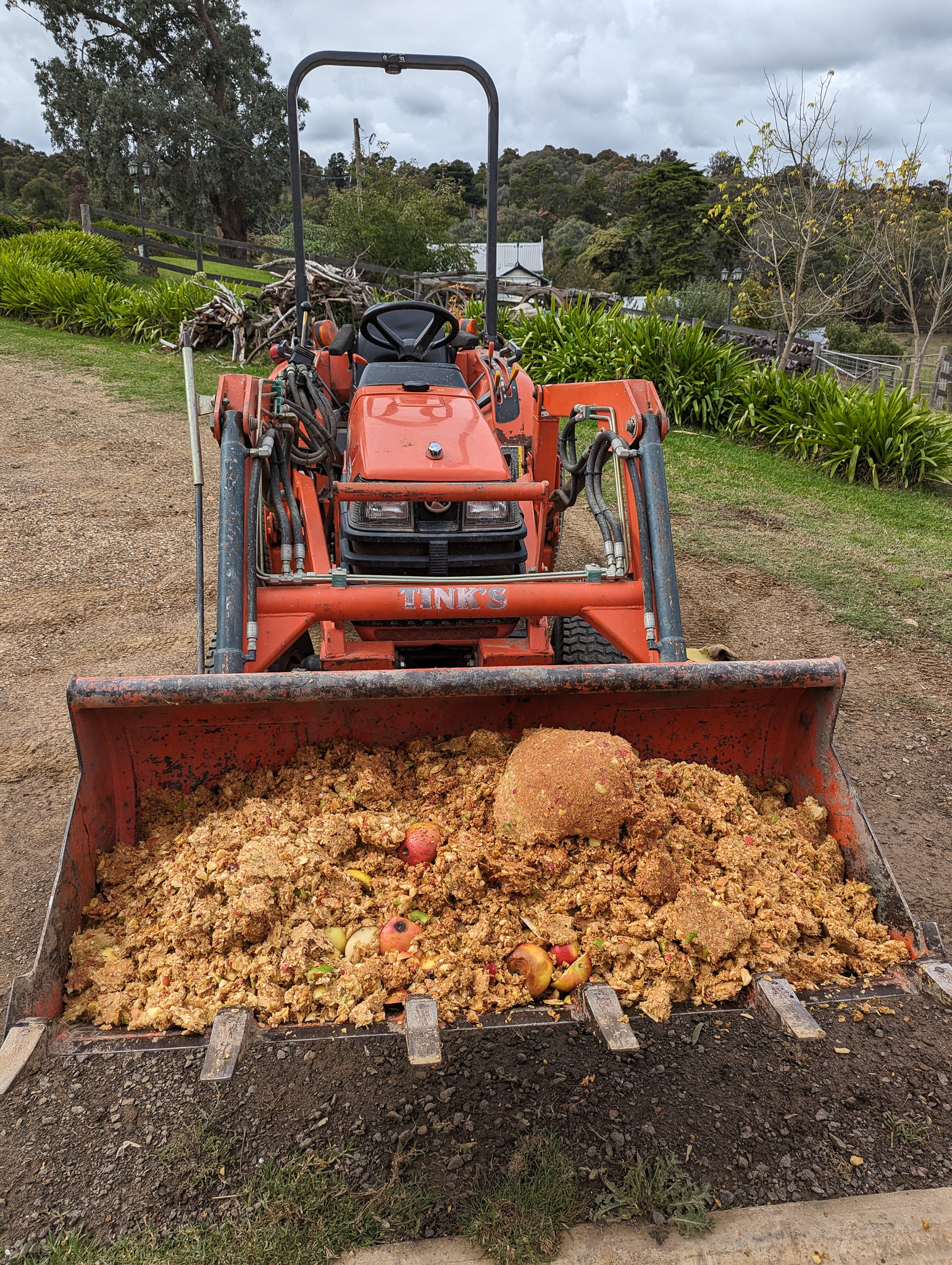
From there, I opted for a pretty minimal-intervention approach, partly inspired by French farmhouse cidermaking. Apple juice is, on the one hand, a junk food feast for yeast, being high in simple sugars, easily gobbled through and metabolised into alcohol. But it’s also low in the other nutrients yeast needs to proceed happily with that fermentation. Modern cidermakers tend to spoonfeed their fermentations with extra nutrients to allow everything to finish up quickly. The traditional French and English approach does more or less the opposite. In a technique known as keeving, the fermenting cider is kept nutrient-deficient, forcing the yeast to work very slowly and eventually leave behind some residual sweetness. So I pretty much just let the juice ferment for nine months or so, then bottled it.
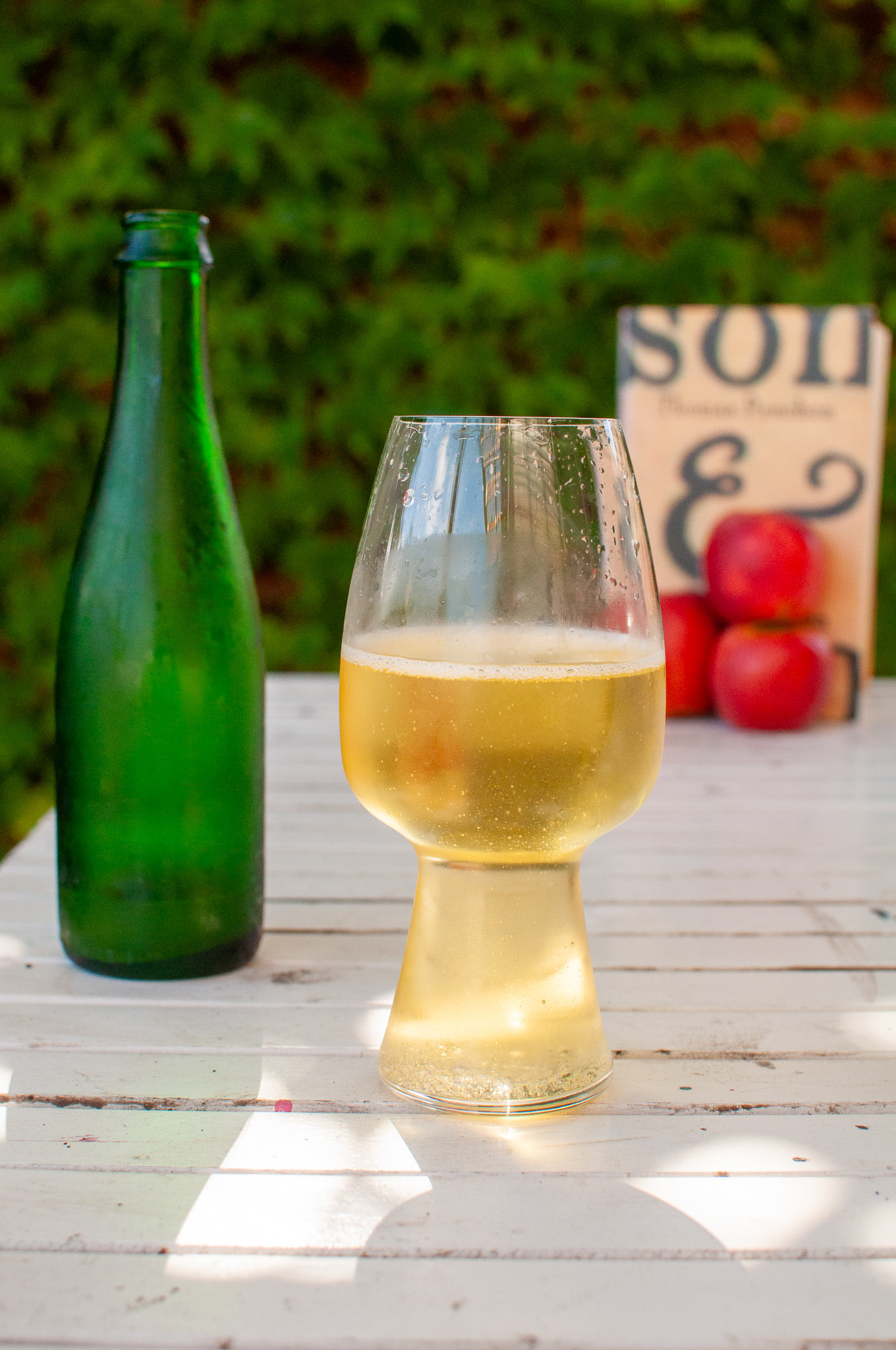
It tastes good! Crisp, nice apple flavour, slight perception of sweetness, some apple skin and oak tannins. No eggy sulphur or much of any barnyard funk. Great fresh apple aroma. My hands-off approach did the trick. Sure, my colleagues taking a more contemporary approach turned around cider at least as good in maybe a tenth of the time. But this works too!
Should any surveyors come through, I’ll have cider on hand. No promises about the sour-cherry fritters.
 Tom Pynchon's Liquor Cabinet